DRESSER ROOTS METERS AND INSTRUMENTS 11C175 Meter Gas B3 Flanges
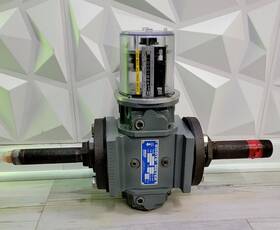
( Brand: Dresser Roots Meters And Instruments ), ( Manufacturer Part Number: 11C175 ), ( Part Type: Meter Flange ), ( Flow Meter Type: Meter ), ( Unit Type: Unit ), ( Port Diameter: 2 In )
Review DRESSER ROOTS METERS AND INSTRUMENTS Meter B3 Inch Gas Flanges Free Shipping
The **Dresser Roots Meters 11C175 Meter B3 Gas Flanges** represent a robust and precision-engineered component designed for high-performance gas measurement applications within industrial and commercial settings. Part of the trusted Roots turbine meter series, this specific flange assembly is engineered to interface seamlessly with the **11C175** gas meter, ensuring reliable and accurate flow measurement for natural gas, biogas, or other clean gases under varying operational conditions. Constructed from high-grade materials, including durable stainless steel or carbon steel (depending on the model variant), these flanges are built to withstand the rigors of continuous use, including exposure to pressure fluctuations, temperature variations, and corrosive environments. The **B3** designation indicates a specific flange configuration optimized for compatibility with standard piping systems, featuring precise threading and gasket surfaces to prevent leaks while maintaining structural integrity. This assembly is particularly suited for applications requiring precise flow monitoring in distribution networks, utility metering, or industrial process control, where accuracy and durability are paramount. The robust design ensures minimal maintenance requirements, reducing downtime and operational costs over the long term, while its modular compatibility allows for easy integration into existing infrastructure. Whether deployed in residential, commercial, or large-scale industrial settings, the **Dresser Roots Meters 11C175 Meter B3 Gas Flanges** deliver a dependable solution for gas measurement, combining engineering excellence with operational efficiency.
### Pros and Cons of Buying Dresser Roots Meters (Model 11C175, Meter B3 Gas Flanges)
#### **Pros:**1. **High Accuracy and Reliability** Dresser Roots meters are known for their precision in measuring gas flow, making them ideal for applications requiring strict compliance with regulatory standards (e.g., pipeline transmission, distribution, and LNG facilities).
2. **Durability and Longevity** Built with robust materials, these meters are designed for heavy-duty use in harsh environments, including high-pressure and corrosive gas conditions. Proper maintenance extends their operational lifespan significantly.
3. **Wide Compatibility** The **11C175** model is engineered to handle various gas types (natural gas, biogas, syngas) and operates efficiently across a broad range of flow rates, making it versatile for different industrial applications.
4. **Low Pressure Loss** Roots meters are positive displacement devices that minimize pressure drop compared to other flow measurement technologies, reducing energy costs associated with pumping.
5. **Minimal Maintenance Requirements** Unlike some other flow meters, Roots meters have fewer moving parts (when properly maintained), leading to lower maintenance frequency and reduced downtime.
6. **Regulatory Compliance** Dresser Roots meters are often certified for compliance with standards such as **API MPMS Chapter 14.3** (for custody transfer applications) and other industry-specific regulations, which is critical for legal and financial accuracy.
7. **Scalability** The **B3 gas flanges** (typically 2-inch to 12-inch sizes) allow for easy integration into existing or new pipeline systems, accommodating varying flow demands.
8. **Proven Track Record** Dresser-Roots has a long history in the gas measurement industry, with decades of field-proven performance in critical infrastructure, enhancing trust in their reliability.
---
#### **Cons:**1. **High Initial Cost** Dresser Roots meters are premium equipment, often significantly more expensive than alternative flow measurement technologies (e.g., turbine meters, ultrasonic meters). The upfront investment can be a barrier for smaller operations or budget-constrained projects.
2. **Complex Installation and Calibration** Proper installation requires expertise to ensure accuracy and prevent leaks. Calibration and validation processes can be time-consuming and may require specialized personnel, adding to operational costs.
3. **Sensitivity to Contaminants** While robust, Roots meters can be affected by particulate matter, liquids, or other contaminants in the gas stream. Regular filtration and maintenance are necessary to avoid performance degradation.
4. **Limited Flow Range** Although versatile, these meters may not be optimal for extremely low or high flow rates outside their specified operating range. Operators must ensure the meter is correctly sized for their application to avoid inaccuracies.
5. **Potential for Wear Over Time** Like all mechanical devices, internal components (e.g., rotors, bearings) can wear out with prolonged use, necessitating periodic inspections and potential replacements. This adds to long-term maintenance costs.
6. **Space Requirements** Roots meters require adequate installation space, including straight-run piping upstream and downstream to ensure accurate measurement. This may not be feasible in constrained layouts.
7. **Energy Consumption** The mechanical nature of Roots meters means they require some power to operate (e.g., for calibration or data logging systems), though this is typically minimal compared to other industrial equipment.
8. **Vendor Dependency** As a specialized piece of equipment, repairs or replacements may rely on the original manufacturer or authorized service providers, which could lead to longer wait times or higher costs if support is limited in certain regions.
---
### **Conclusion:**Dresser Roots meters (Model 11C175 with B3 gas flanges) are **superior choices for high-precision gas measurement applications**, particularly in custody transfer, pipeline transmission, or LNG facilities where accuracy and reliability are non-negotiable. Their durability, compliance with industry standards, and low pressure loss make them a trusted option for critical infrastructure. However, the **high upfront cost, complex installation, and maintenance needs** may not justify their use in less demanding applications where alternative technologies (e.g., ultrasonic or turbine meters) could suffice.
For operations prioritizing **long-term cost efficiency, regulatory compliance, and minimal pressure loss**, the investment in a Dresser Roots meter is justified. Conversely, businesses with **tight budgets, low-flow applications, or space constraints** may find more cost-effective or space-efficient alternatives more suitable.
---
### **Recommendation:** - **Buy the Dresser Roots Meter 11C175 with B3 Flanges if:**- You require **high-accuracy gas measurement** for custody transfer or regulatory compliance.
- Your application involves **high-pressure, high-volume gas flow** with minimal pressure drop tolerance.
- You can afford the **initial cost and ongoing maintenance** to ensure optimal performance.
- The meter will be installed in a **controlled environment** with proper filtration and calibration protocols.
- **Consider Alternatives if:**- Your budget is limited, and you can tolerate slightly lower accuracy with a more affordable meter (e.g., ultrasonic or turbine meters).
- Your flow rates are **extremely low or variable**, making a Roots meter less efficient.
- Space constraints or installation complexity make Roots meters impractical.
**Final Advice:** Conduct a **detailed cost-benefit analysis**, including installation, maintenance, and operational expenses, before purchasing. Consult with a **certified gas measurement specialist** to ensure the meter is correctly sized and installed for your specific application. If compliance and precision are paramount, the Dresser Roots meter remains a **strong, long-term investment**. Otherwise, explore alternatives that align better with your operational needs.
Details:
TECHNICAL SPECS: Max Capacity: 1,100 ACFH Pressure MAOP: 175 PSIG Connection Size: 2 Flanges 6-3/4 Face-to-Face Temp Range: 40 F to 140 Accuracy: Permanent 1% Non-adjustable volumetric accuracy KEY ADVANTAGES: Compact Footprint: Unlike turbine Meters, this does NOT require straight pipe runs upstream or downstream ideal for tight setups. Model: 11C175 Series B3. High Durability: Hard-coat anodized internals for corrosion resistance And a high-impact Lean index cover. Low Maintenance: Permanently lubricated gear reduction; built for decades of reliable service.
This unit is in Excellent condition.
part #: 11c175 prices
- $1299.95-$2500.00
specifications pneumativalv:
- brand: Dresser Roots Meters And Instruments
- mpn: 11c175
- part type: Meter Flange
- flow meter type: Meter
- unit type: Unit
- port diameter: 2 In
offer pneumativalv:
- quantity: 1
- availability: In Stock
- started: April 21, 2026
- options: Ship-to-home
- sold: 0
- best offers: True
shipping pneumativalv:
- carrier: USPS
- cost: $0.00
- class: Expedited
- service: USPS Priority Mail
- type: Fixed
- transit: 3-8 Days
returns pneumativalv:
- policy: No Returns
general pneumativalv:
- Pump Flow Controllers > Flow Controllers Meters > Flow Meters
- condition: Used
payments pneumativalv:
- credit card: Diners-club
- other
- wallet: Apple-pay
seller pneumativalv:
- rating: 99.8%
- # reviews: 3679
- city: Westminster, MarylAnd
Dresser Roots Meters And Instruments 11C175 Is Similar To:
- 15c175 Ctr B3 Dresser-roots Dresser (24% similar) Part: 15C175 prices...(September 29th, 2017)
- 8012 Masoneilan Dresser Positioner Model New Free Shipping (40.5% similar) Mainline Dresser positioned 8012 20PSI new item is old stock without original box LOC1162-57034...(May 21st, 2018)
- 010868161-163h 021003281148 E120431 Masoneilan Dresser Plug Ht And Stem New 3-m Warranty (25.8% similar) Item for sale plug Dresser mainline 48 ht E120431 stem Dresser mainline 163H qty price is for one stem And one plug assembled material stainless steel condition new with protective plastic meshes weight...(August 27th, 2016)
- 3-month Inch Plug Masoneilan Dresser 3 For Camflex Valve New No Box Warranty (19.3% similar) ...(July 14th, 2016)
- 8c175 Dresser Roots Gas Meter Cfh (37.4% similar) Dresser, Roots gas meter, 8C175, 175PSIG, 800 CF, 22...(June 3rd, 2020)
- Wayne Wm040446-0007 Dresser Fuel Meter With Pulser X-flow Dual Wm011529-0002 Rev 3 (30.2% similar) Compatibility: works with Dresser Wayne fuel dispensing systems. Pulse type: dual x-flow pulse for enhanced functionality. Accuracy: high-precision fuel measurement for reliable results. This is a high-quality, precision-engineered component designed for accurate fuel measurement in demanding ...(December 18th, 2024)
- Dresser Roots 11m175 Rotary Meter 4 Inch 150 175-psi 11000 Cfh-max Clean-used (47.9% similar) Section 2023 R6-C11 coo MD. Dresser Roots rotary meter, 11M175, 4/1 50, 175-PSI, 11000 CF-max, clean-used...(October 31st, 2025)